Biohazard Cleanup
Safe, careful removal of bodily fluids and other infectious material, finished with hospital-grade disinfection.
Learn more →Wisconsin · Dane County
Found a biohazard problem in Maple Bluff, WI? Call (877) 812-4220 and describe what happened. You get biohazard removal, decontamination and odor control, and the steps and the cost range are explained once the details are known.
If anyone is in danger, call 911 first. For a suicide crisis, call or text 988.
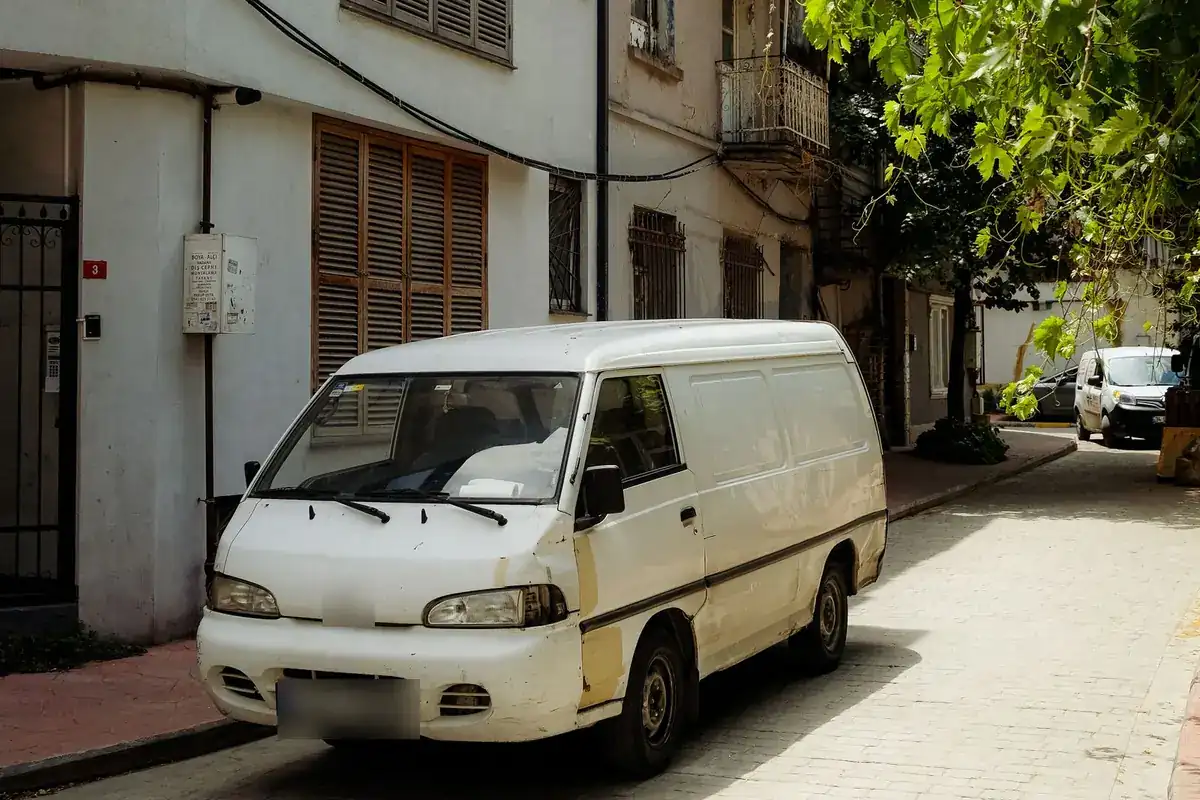
In plain terms, biohazard cleanup is decontamination after something harmful to health has been left behind. If you need cleanup in Maple Bluff, WI after a death, violent event, accident, spill or unsafe living conditions, call Maple Bluff Biohazard Cleanup Help and get a biohazard cleanup team ready for the job.
Waiting makes biohazards harder to remove, because fluids keep soaking into flooring and odor keeps spreading through the home. Call at any hour, and a cleanup specialist will explain the next steps for Maple Bluff and the rest of Dane County.
Homes in Maple Bluff have a median build year of 1947, older than most homes across Wisconsin. Older carpet, wood subfloors and trim take in fluids deeply, so more material may need removal. Older adults make up about 24% of residents in Maple Bluff, above the Wisconsin average, so families here more often face estate cleanouts and death cleanup after a loved one passes.
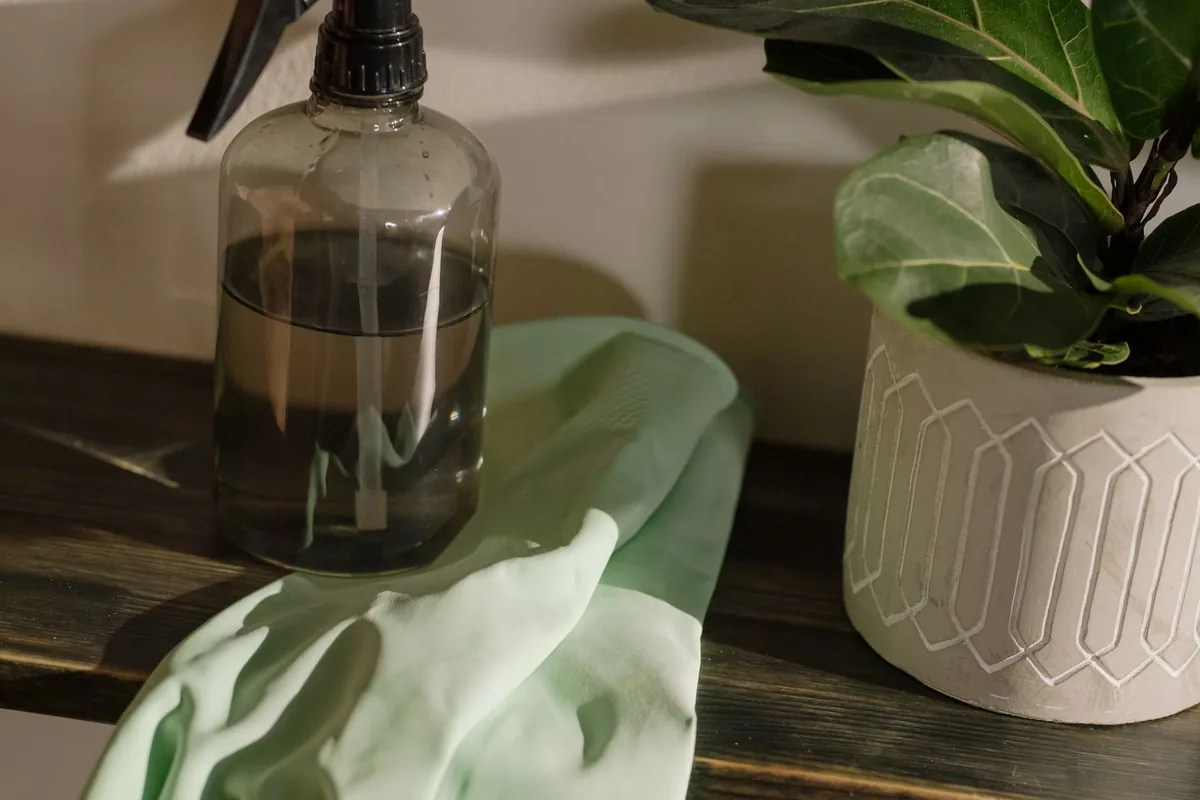
Household gloves and a spray bottle do not meet the standard for infectious materials. Biohazard decontamination follows 29 CFR 1910.1030, which sets rules for protective equipment, handling and disposal when blood or other potentially infectious materials are present.
The finish matters as much as the cleanup. After disinfection, HEPA air scrubbers run, odor equipment works on the room, and the crew checks every surface, with ATP testing available to confirm the result.
Every biohazard removal service below is available 24/7 to property owners, landlords and businesses in Maple Bluff and the surrounding areas of Dane County.
Safe, careful removal of bodily fluids and other infectious material, finished with hospital-grade disinfection.
Learn more →Crime scene cleaners handle contaminated carpet, drywall and debris, then check the work before handing the space back.
Learn more →Discreet trauma cleaning that covers waste disposal, odor removal and records for insurers.
Learn more →Cleaning, disinfection and odor removal after a death that was not found right away.
Learn more →Respectful biohazard cleanup that removes affected materials and treats odor so families do not have to.
Learn more →Compassionate cleanup after a death by violence, so families do not face the aftermath alone.
Learn more →Blood in cars, vans and rideshare vehicles cleaned from seats, mats and panels, then disinfected.
Learn more →Commercial feces cleanup and body fluid cleaning for restrooms, shops, schools and care sites.
Learn more →Commercial feces cleanup and urine odor control for restrooms, shops, schools and care sites.
Learn more →Finds the source of a death odor and removes it, instead of masking it with sprays.
Learn more →Respectful hoarder cleaning that clears exits, sorts belongings with you and cleans every room.
Learn more →Hoarding junk removal that protects valuables and papers before anything leaves the home.
Learn more →Animal hoarding cleanup with protective gear, soaked flooring removal and thorough sanitizing.
Learn more →Hoarding and filth cleaning that restores a home for living, repairs or a new tenant.
Learn more →Raw sewage removal, tear-out of soaked materials and full disinfection after a backup or overflow.
Learn more →COVID-19 cleanup and coronavirus disinfection of high-touch surfaces, bedrooms, bathrooms and shared rooms.
Learn more →Cleaning first, disinfecting second: a careful process that targets the germs, not only the stain.
Learn more →Local biohazard disposal services, from one sharps container to rooms of contaminated medical supplies.
Learn more →Found a needle? A cleanup team searches the area, removes every sharp and disinfects what it touched.
Learn more →Clearing a room or unit after drug use, with sealed containers and proper disposal.
Learn more →Drug lab decontamination with sampling before and after, once law enforcement releases the site.
Learn more →Decontamination for rentals, motels, offices and vehicles after drug incidents and responder visits.
Learn more →Safe removal of solvents, fuels, pesticides, mercury and unlabeled containers from homes and businesses.
Learn more →Hazardous materials contained, removed and hauled away after spills, leaks and accidents.
Learn more →Tear gas cleanup for homes, shops and vehicles, with testing, containment and a final check.
Learn more →Safe wet-clean removal of mouse and rat droppings, nests and soiled insulation from attics and crawl spaces.
Learn more →Pigeon and bird droppings cleanup on ledges, balconies, warehouses and storefronts.
Learn more →Gentle, private cleanup after a pet or wild animal has died at your home or business.
Learn more →Hazmat car cleaning with protective gear, EPA-registered disinfectants and sealed disposal of contaminated parts.
Learn more →Accident scene cleanup for homes, stores, offices and vehicles, handled quietly with protective gear.
Learn more →Discreet after-hours service with unmarked vehicles, sealed work areas and regulated waste hauling.
Learn more →Estate cleanup that empties, cleans and hands back a home ready for its next step.
Learn more →A technician looks for every source of contamination, including areas the eye misses, such as under flooring and inside vents. The type of biohazard sets the method.
The crew takes photos and notes of the affected areas and the work done. Homeowners insurance companies, landlords and compensation programs often ask for these records.
Soaked materials are removed, then floors, walls, furniture and fixtures are cleaned and treated with hospital-grade disinfectant.
Odor is neutralized, biohazardous waste leaves under medical waste rules, and a final inspection confirms the property is safe to use again.
Contaminated items are sealed, labeled and kept out of household trash, and the waste leaves under medical waste rules.
Cleanup technicians know families may be grieving. They keep conversations short, kind and free of judgment, and they treat belongings with care.
OSHA bloodborne pathogen protocols, full PPE, EPA-registered disinfectants and lawful biohazard waste disposal on every job.
At crime and death scenes, work waits for law enforcement or the investigator to release the property. Nothing is disturbed before that.
Biohazard cleanup in Maple Bluff, WI typically costs $500 to $25,000, depending on the type of biohazard, the size of the affected area and how far fluids soaked into porous materials.
Most residential jobs cost $3,000 to $5,000 (Fixr). The main price drivers are the area affected, the number of porous materials removed, the amount of odor treatment needed and the cost of regulated waste disposal. A small spill sits at one end and a hoarder house or unattended death at the other.
| Type of job | Typical range |
|---|---|
| Blood spill cleanup, small area | $500 - $2,500 |
| Crime scene cleanup, most homes | $1,500 - $7,500 |
| Unattended death cleanup | $2,000 - $7,000 |
| Suicide cleanup | $1,500 - $5,500 |
| Sewage cleanup, most homes | $2,000 - $10,000 |
| Hoarding cleanup, level 3 home | $2,000 - $5,000 |
| Meth lab cleanup, typical | $15,000 - $20,000 |
Estimates only, not a quote. Sources: Fixr, Yelp Costs, BioCleaners Directory, PushLeads, Dropcurb, Bob Vila and cleanup company cost guides. Call (877) 812-4220 to talk through the job.
Cars, trucks and work vehicles can carry biohazards after an accident, assault or medical event. Vehicle cleanup removes contaminated upholstery and disinfects every surface and vent.
Families should never have to clean up after a suicide. Discreet suicide cleanup removes all traces with care and respect. Crisis support is available any time at 988.
An average July high of 82 degrees in Maple Bluff speeds up decomposition after a death. The sooner the scene is released and cleaned, the less the odor and fluids spread.
Dane County has a Relatively High river flood risk rating from FEMA. Floodwater mixes with sewage, and anything it touches needs full biohazard cleaning, not just drying.
Failing septic systems and sewer backups push raw sewage, a Category 3 biohazard, into homes. Sewage cleanup removes contaminated materials and disinfects every surface.
Hoarder homes can hide rotting food, animal waste, mold and pests, along with fire and structural hazards. Hoarding cleanup sorts belongings and restores a livable condition.
Not every biohazard looks the same or carries the same risk. A cleanup team sorts the problem by type and by size, and that sorting decides the protective gear, the method and the budget.
Biohazard cleaning is the safe removal of infectious or contaminated material and the disinfection of whatever it touched. Crews wear protective equipment, remove porous materials that cannot be made safe, and dispose of the waste under medical waste rules. It goes far beyond ordinary housecleaning.
OSHA's Bloodborne Pathogens Standard, 29 CFR 1910.1030, sets rules for protective equipment, handling, training and disposal when workers face blood or other potentially infectious materials. Biohazard cleanup crews follow it on every job.
A cleanout of belongings can take from a day to several weeks depending on how much is in the home. If a death left biohazards, the biohazard cleanup comes first, and sorting or hauling follows once the area is safe.
A few drops from a small cut can sometimes be cleaned up by a careful person wearing gloves, with disinfectant on hard surfaces. Larger amounts, anything on porous materials, or fluids from another person are best left to a cleanup crew.
Yes. Hoarding cleanup sorts belongings room by room, sets aside valuables and papers, removes trash and waste, and disinfects the space. Crews work without judgment and keep the family's wishes in mind.
Only what cannot be made safe. Porous items such as carpet, padding, mattresses and upholstered furniture that soaked up fluids are usually removed. Hard surfaces and many belongings can be cleaned and disinfected instead.
Tell the landlord and the renters insurer right away. With renters in about 43% of homes in Dane County, many rentals have a process for this. The building is usually the owner's job, and belongings may fall under the tenant's policy.
The nearest emergency room is University of Wi Hospitals & Clinics Authority in Madison, about 4 miles from Maple Bluff. In any emergency, call 911 first. Cleanup waits until people are safe.
Crews also work near Maple Bluff, in places such as Madison, Shorewood Hills and Madison. Biohazard cleanup, crime scene cleaning and death cleanup are available across Dane County.
Describe what happened, and the cleanup team will explain the next steps.
Call (877) 812-4220